Foundation Repair

Foundation Repair: Protecting the Most Important Part of Your Home
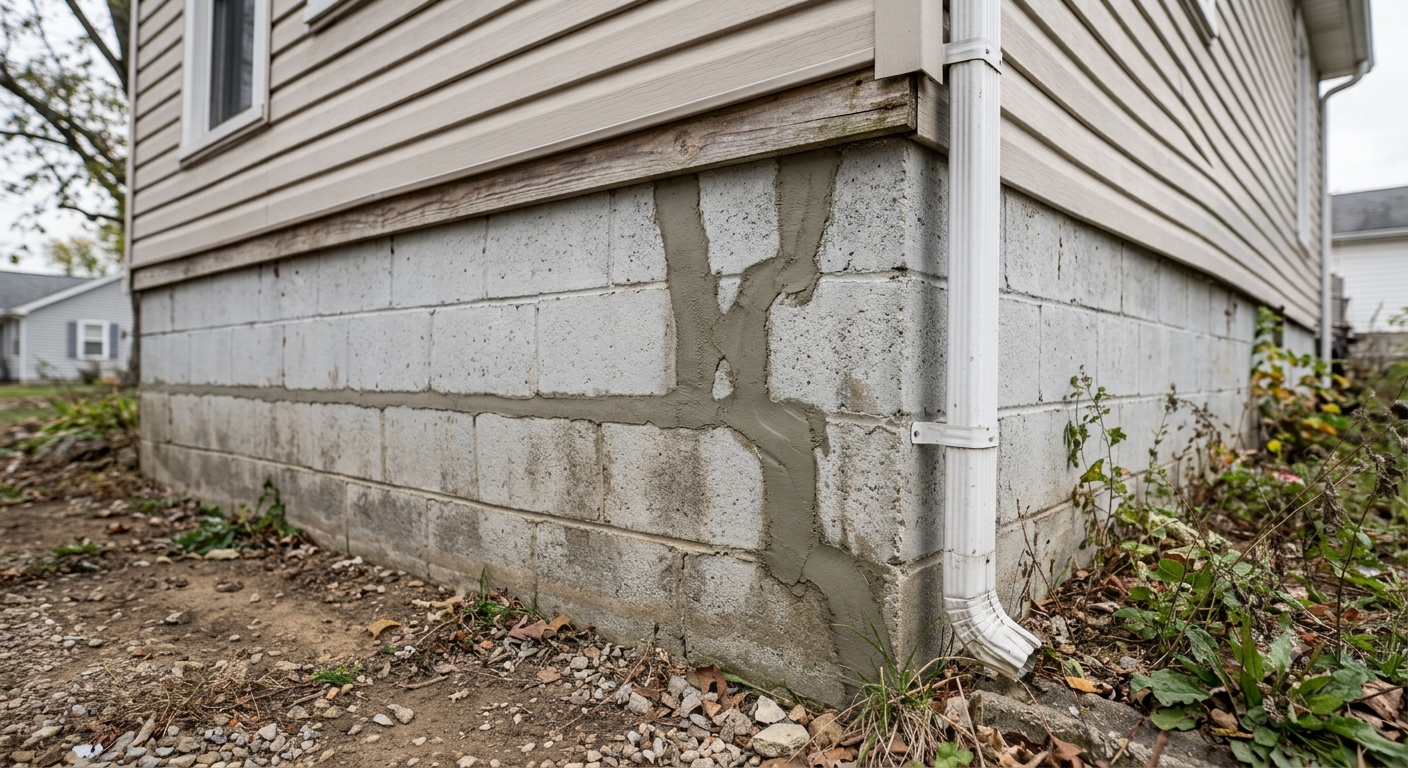
Your foundation supports everything else so when cracks, shifting, or settling occur, the effects can ripple throughout your entire home. Common warning signs include cracked walls, sticking doors and windows, sloping floors, and gaps around window frames. These issues often stem from soil movement, water damage, poor drainage, or natural settling over time. Left unaddressed, foundation problems only get worse and more expensive to fix.
Professional foundation repair identifies the root cause of the damage and applies targeted solutions such as underpinning, piering, slab jacking, or wall reinforcement to stabilize and restore your home's structure. Addressing these issues early can prevent minor cracks from turning into major structural failures.
Fix Cracks, Uneven Floors & Doors That Won't Close Properly
FAQs About Foundation Repairs
-
Spray foam expands on application to fill gaps, cracks, and hard-to-reach spaces, creating an airtight seal. Unlike fiberglass batts, which just slows heat transfer, spray foam also blocks air infiltration; meaning less drafts, better temperature control, and lower energy bills.
-
Yes, once fully cured (usually within 24-48 hours), spray foam is safe and inert. During installation, the area should be vacated because of fumes and off-gassing, but professional installers follow safety protocols to ensure your home is safe to re-enter once the job is done.
-
Many homeowners see energy savings of 15-50%, depending on the size of the home, current insulation, and climate. Because spray foam seals air leaks so effectively, your HVAC system doesn't have to work as hard, which adds up significantly over time.
-
Open-cell foam is softer, less expensive, and great for sound dampening — ideal for interior walls. Closed-cell foam is denser, more rigid, and offers a higher R-value per inch, plus added moisture resistance — making it better for exterior walls, basements, and areas exposed to moisture.
-
Spray foam can last 20-80 years without needing to be replaced or resettled (unlike fiberglass, which can sag over time). While the upfront cost is higher, most homeowners recoup the investment through energy savings, increased home value, and reduced maintenance/repair costs from moisture or pest damage.
Results To Expect:
Structural Stability – Prevents further shifting, cracking, or settling
Increased Home Value – A solid foundation is essential for resale and inspections
Prevents Costly Damage – Stops small issues from becoming large and expensive repairs
Improved Safety – Reduces risks associated with structural weakness
Peace of Mind – Protects your investment for the long term
Schedule your free estimate now.