Blown-In Insulation

Blown-In Insulation: Affordable Comfort for Every Home
We deal with humid summers and cold, windy winters. If your attic or walls are under-insulated, your HVAC system is working overtime just to keep up. Blown-in insulation is a cost-effective way to boost your home's energy efficiency without the expense of a full renovation.
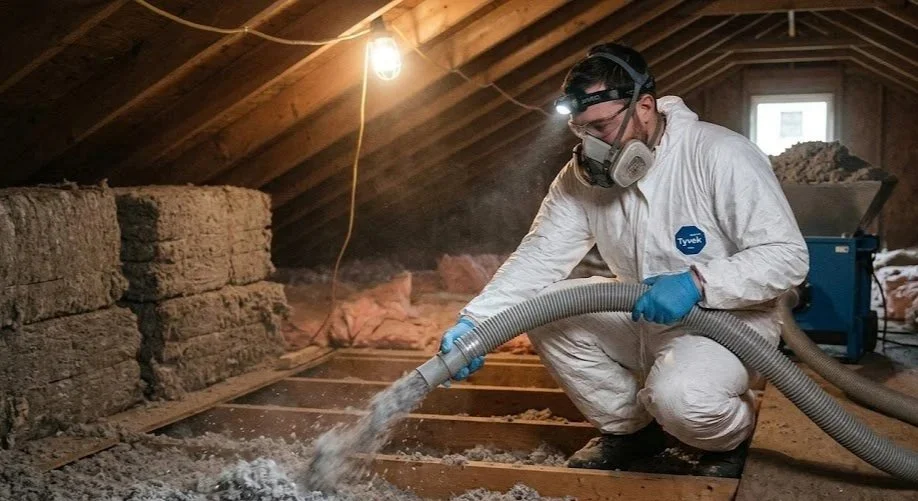
Made from fiberglass or cellulose, blown-in insulation is installed using specialized equipment that fills attics, walls, and hard-to-reach spaces with a dense, even layer of material. It conforms around wiring, pipes, and framing, eliminating the gaps and thin spots common in older batt insulation.
Practical and Affordable Upgrade
FAQs About Blown-In Insulation
-
Blown-in insulation (also called loose-fill) is made of small particles, typically fiberglass or cellulose, that are blown into attics, walls, or hard-to-reach spaces using specialized equipment. It conforms to irregular spaces and fills gaps around wiring, pipes, and framing that traditional batts often miss.
-
It depends on the space. Blown-in insulation is often better for attics and existing walls because it fills gaps and covers uneven surfaces more completely, reducing air leaks. Batts are easier to install in open, accessible areas like new construction walls. Many homes use a combination of both.
-
Homeowners often see savings of 10-30% on heating and cooling costs, especially if their attic previously had little to no insulation. Because it fills gaps so thoroughly, it reduces the air leakage that forces your HVAC system to work harder.
-
Installation is relatively quick, often completed in a few hours for an average attic and much less invasive than other insulation upgrades since it doesn't require removing drywall. For wall insulation, small holes are drilled and patched afterward, leaving minimal mess.
-
Cellulose insulation typically lasts 20-30 years, while fiberglass can last even longer, though it may settle over time and lose some effectiveness. Periodic attic inspections can catch settling early, and topping off insulation is usually far cheaper than a full replacement.
The Benefits For Your Home & Budget:
Energy Efficiency – Reduces heating and cooling costs year-round
Quick, Non-Invasive Installation – Ideal for existing homes and attics without major renovation
Even Coverage – Fills gaps and voids better than traditional batt insulation
Sound Dampening – Reduces outside noise in busy neighborhoods
Budget-Friendly – Lower upfront cost than spray foam, with strong long-term savings
Schedule your free estimate now.